
Optimal Timing for Tree Removals
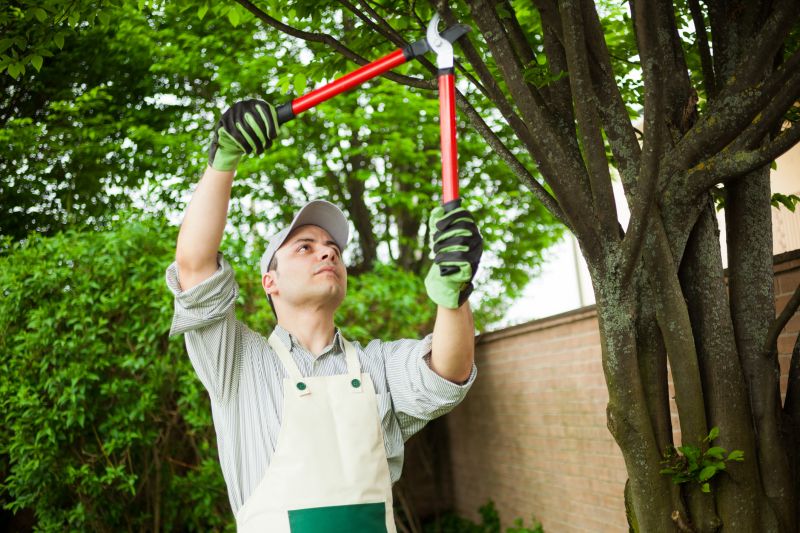
Spring is ideal for tree removal due to active growth and easier access.
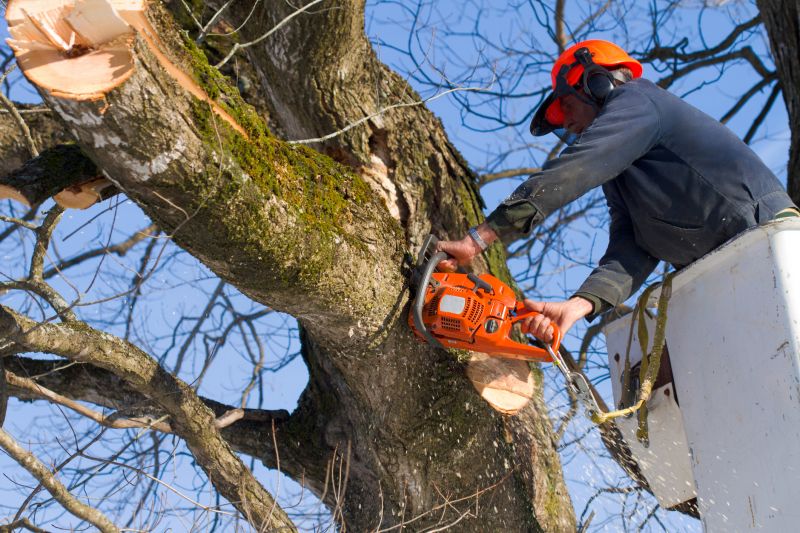
Summer can be suitable, but high temperatures may affect safety and equipment efficiency.
Winter is often preferred as trees are dormant, reducing stress and risk of disease spread.
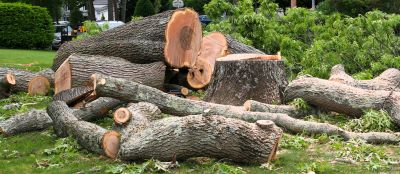
Ways to make Tree Removals work in tight or awkward layouts.
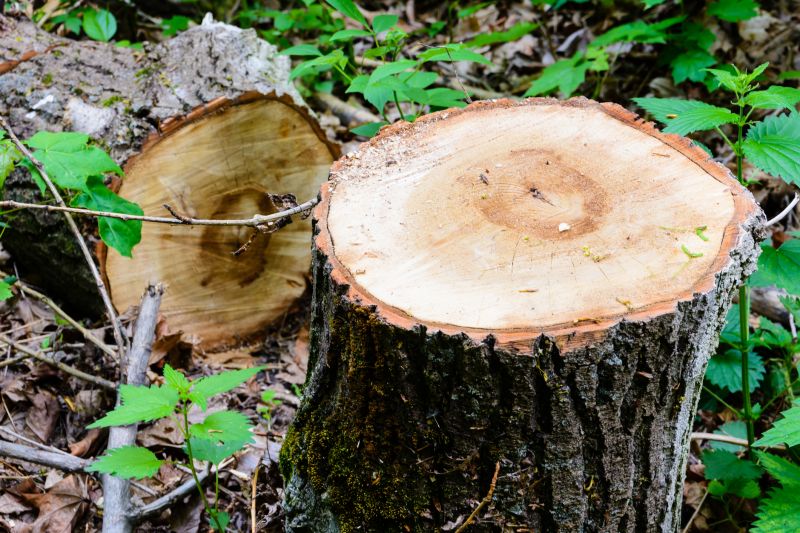
Popular materials for Tree Removals and why they hold up over time.
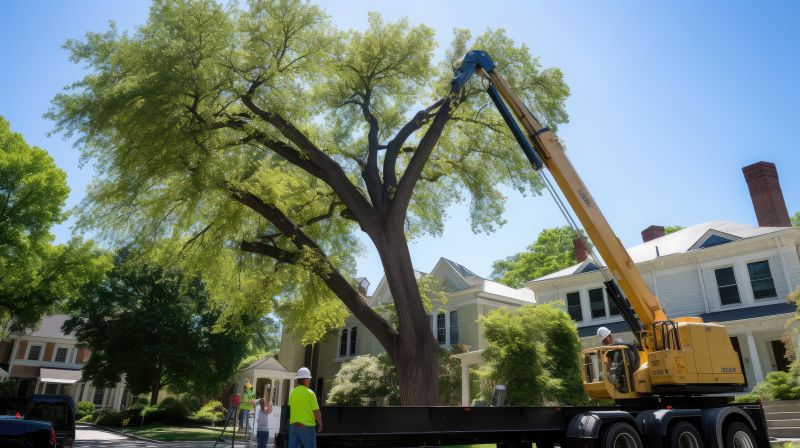
Simple add-ons that improve Tree Removals without blowing the budget.
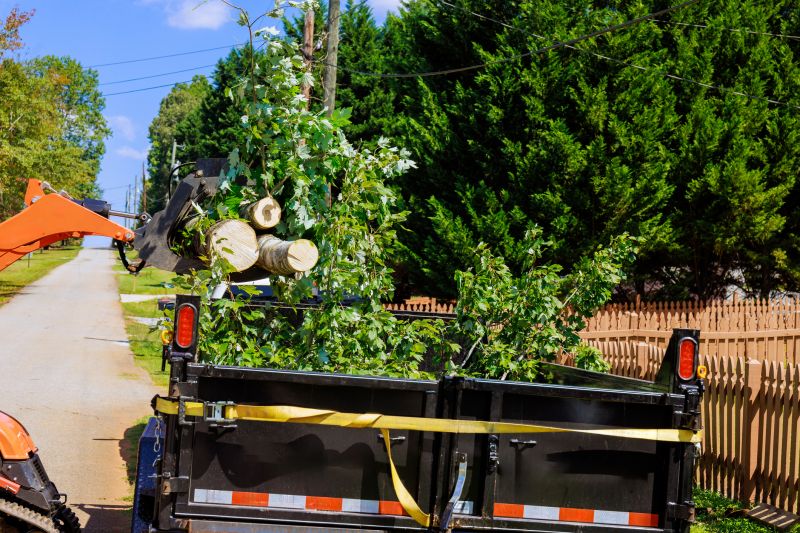
High-end options that actually feel worth it for Tree Removals.
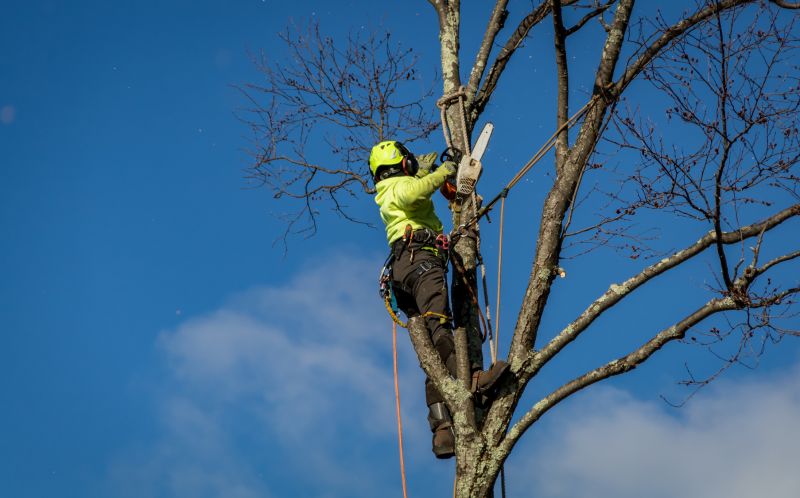
Finishes and colors that play nicely with Tree Removals.
Tree removals are best scheduled during specific times of the year to ensure safety, health of surrounding vegetation, and optimal results. The dormant season, typically winter, allows for easier access and reduces the risk of disease transmission. Spring and early summer are also feasible, especially when trees are actively growing, but precautions should be taken to minimize stress on the remaining landscape.
Performing tree removal during dormancy minimizes impact on other plants and reduces pest spread.
Avoid removal during extreme weather conditions such as storms or high heat for safety reasons.
Some species are more resilient to removal at certain times; consulting an arborist is recommended.
Removing trees during active growth periods can stress remaining vegetation and hinder recovery.
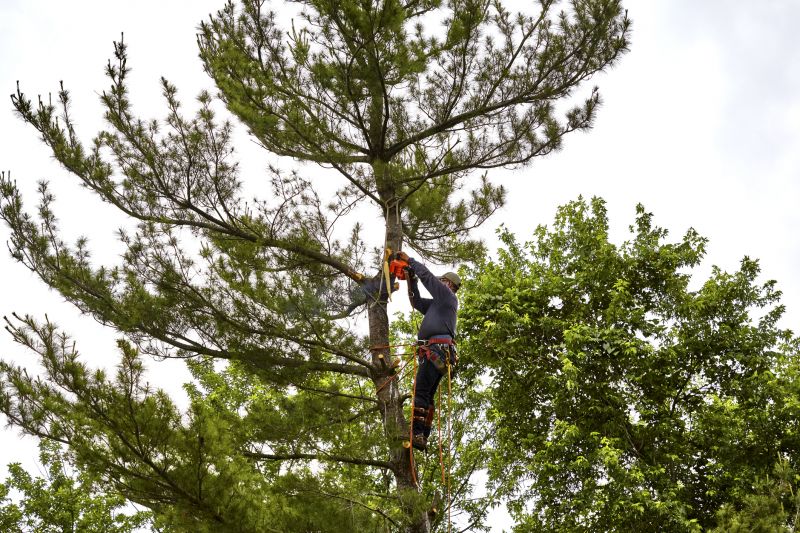
Specialized tools are used for safe and efficient tree removal.
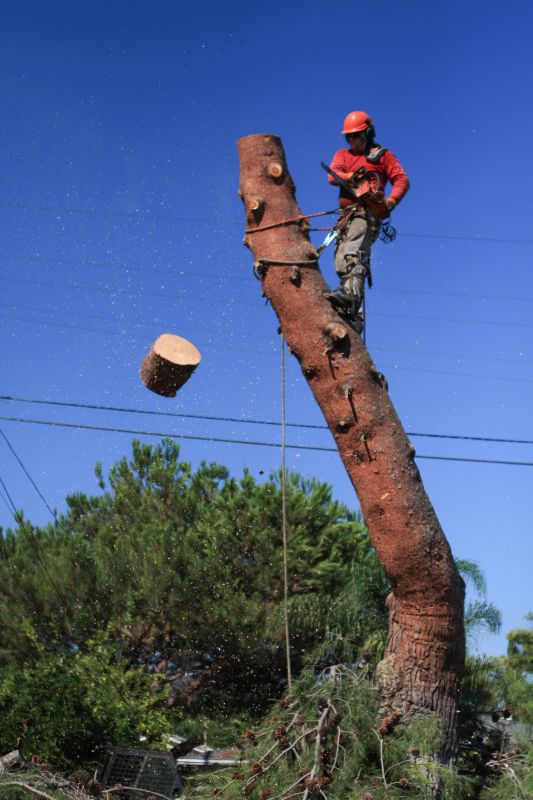
Careful planning ensures safe felling and minimizes impact on surroundings.
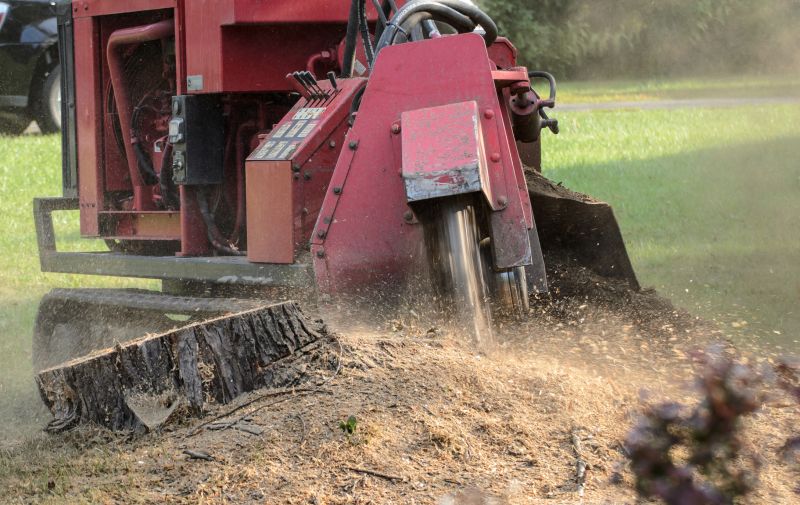
Post-removal stump grinding is essential for landscape restoration.
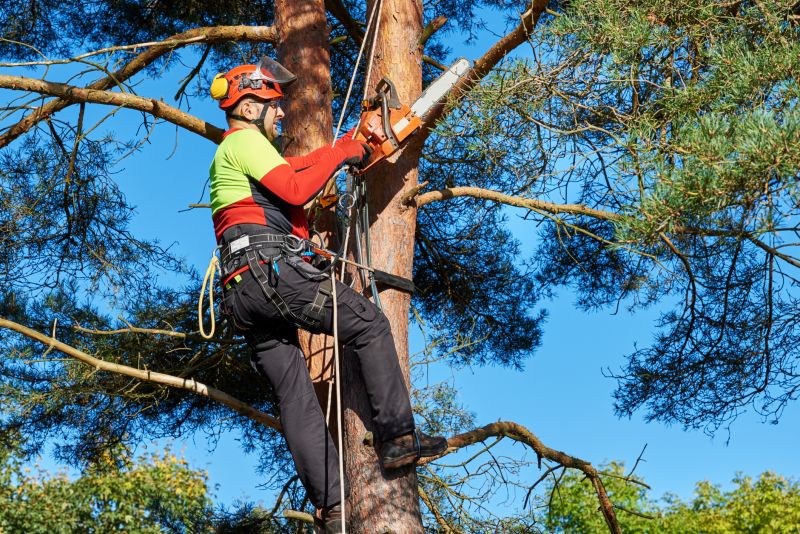
Proper safety equipment is critical during tree removal operations.
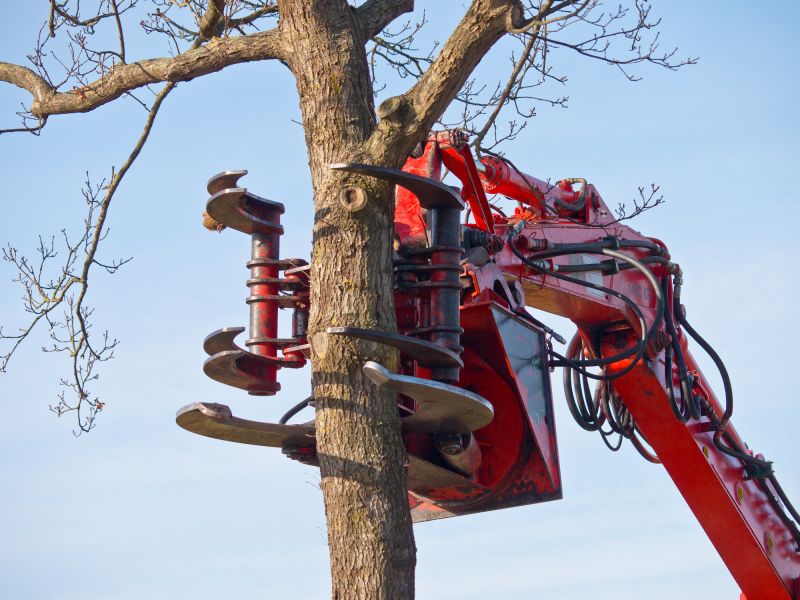
Cranes and lifts are often employed for large or hazardous trees.
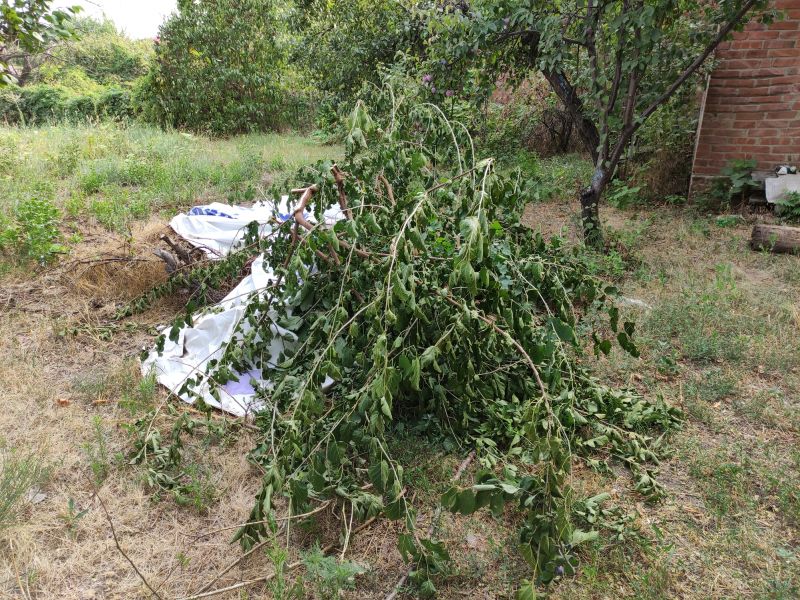
Efficient removal and recycling of wood and branches are part of the process.
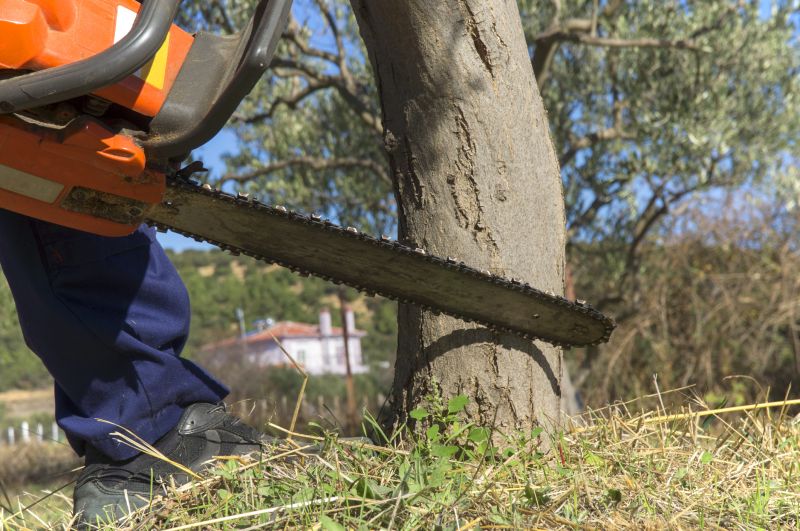
Evaluating tree condition guides the removal approach.
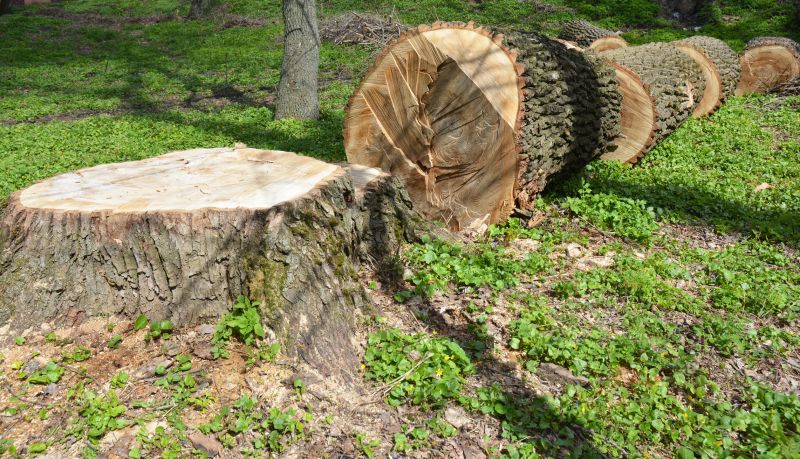
Restoration activities follow tree removal to maintain landscape aesthetics.
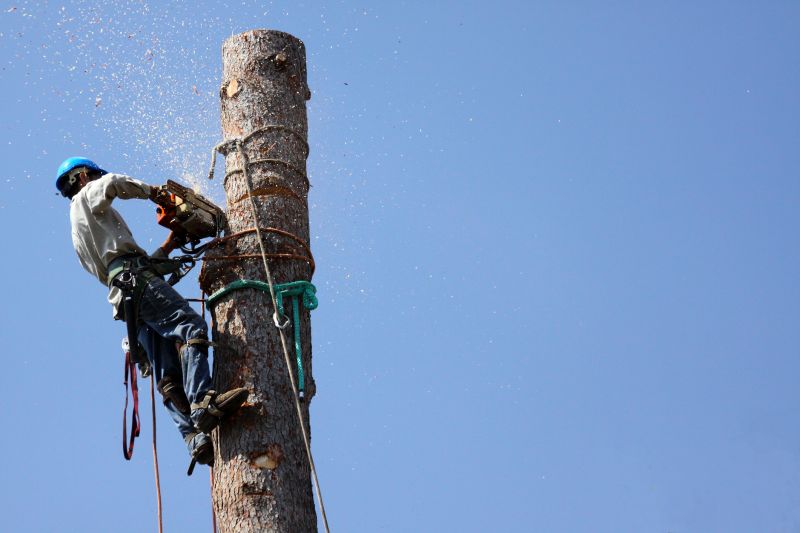
Adherence to safety protocols is essential for preventing accidents.
| Season | Suitability for Tree Removals |
|---|---|
| Winter | Optimal; trees are dormant, reducing stress and disease risk. |
| Spring | Good; active growth requires careful planning. |
| Summer | Possible; high temperatures require precautions. |
| Autumn | Acceptable; trees begin dormancy, but weather may be unpredictable. |
Understanding the timing of tree removal helps ensure safety, minimizes environmental impact, and supports landscape health. Consulting with a professional arborist can provide guidance tailored to specific tree species and local climate conditions.
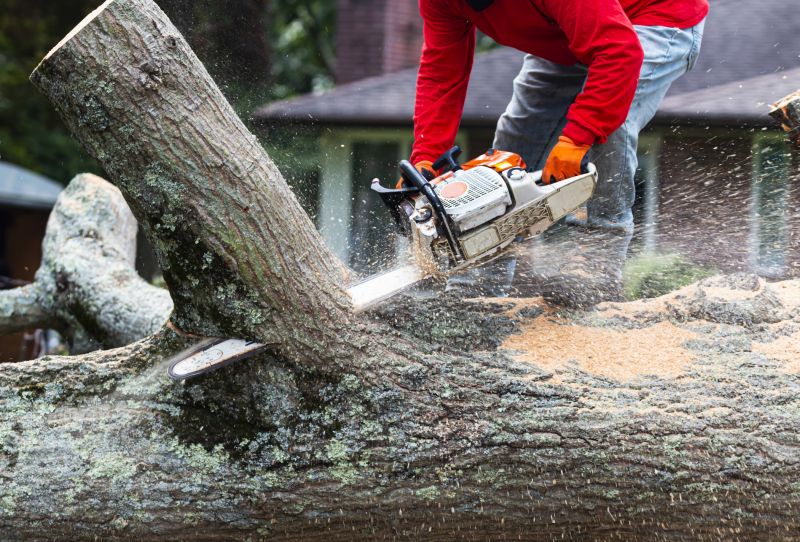
Proper planning is essential for safe and effective removal.
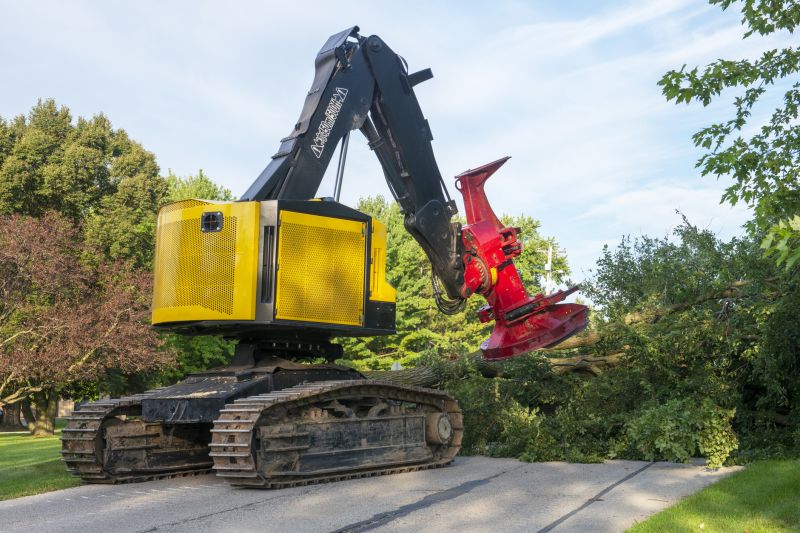
Specialized machinery facilitates safe tree felling.
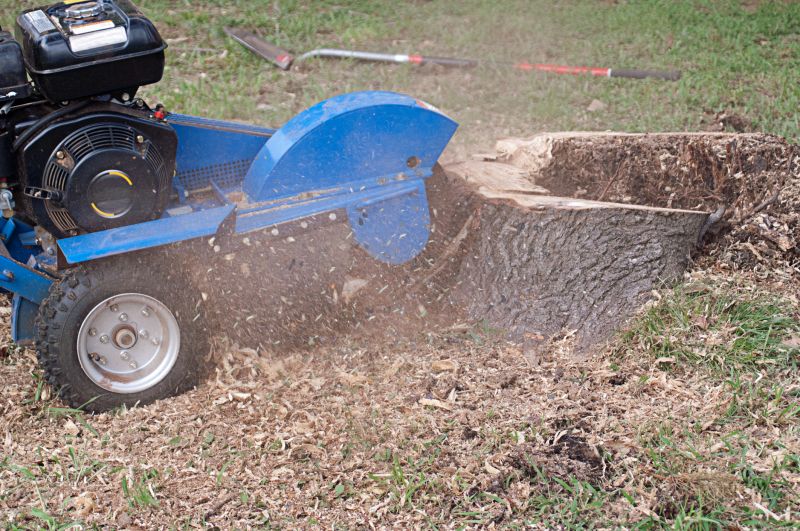
Post-removal stump grinding prepares the site for future use.
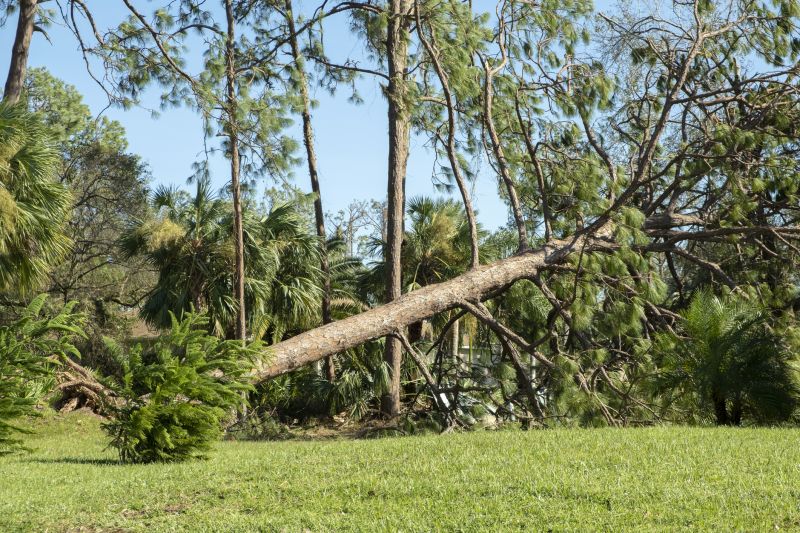
Post-removal activities help restore the landscape's appearance.

Little measurements that prevent headaches on Tree Removals day.
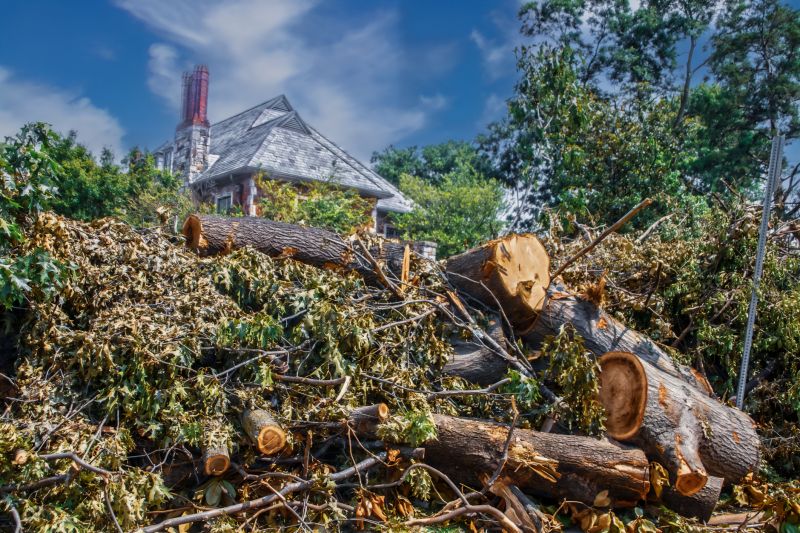
A 60-second routine that keeps Tree Removals looking new.
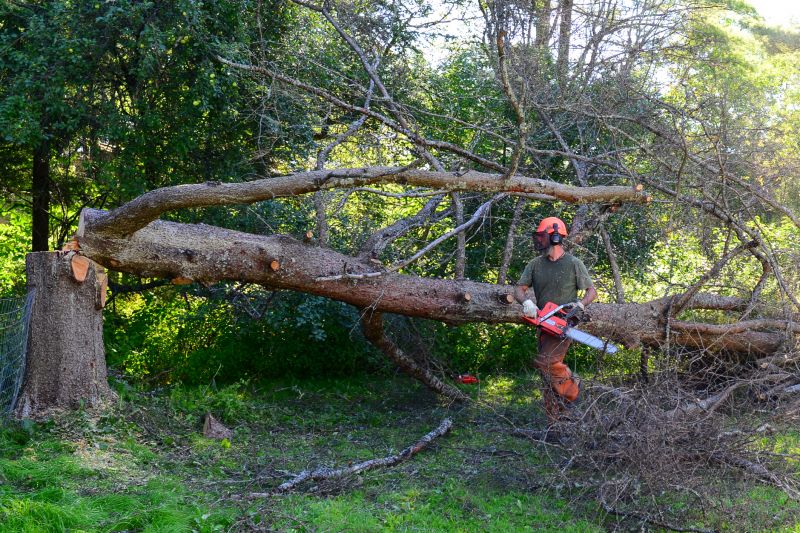
A frequent mistake in Tree Removals and how to dodge it.
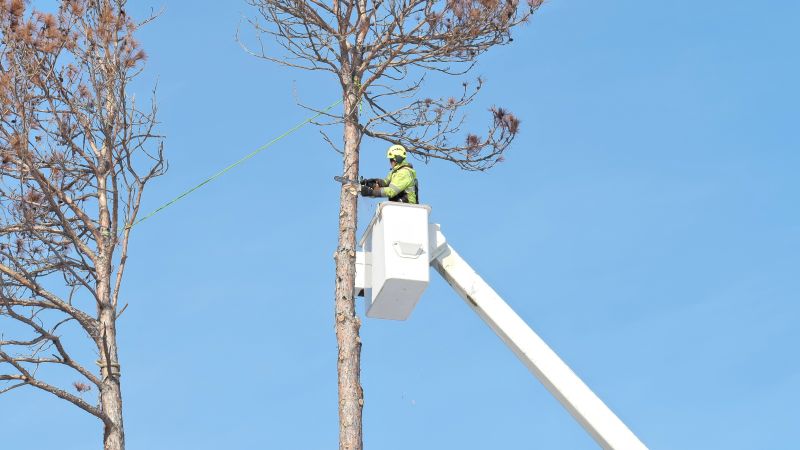
Small tweaks to make Tree Removals safer and easier to use.
Interested in scheduling a tree removal? Filling out the contact form provides the necessary details for planning and executing the project efficiently. Proper timing and professional assistance ensure the safety and health of the landscape.